Korean Soups and Stews
Highlighted under: Cuisines Without Borders
Discover the rich and comforting flavors of Korean soups and stews, perfect for warming up on a chilly day.
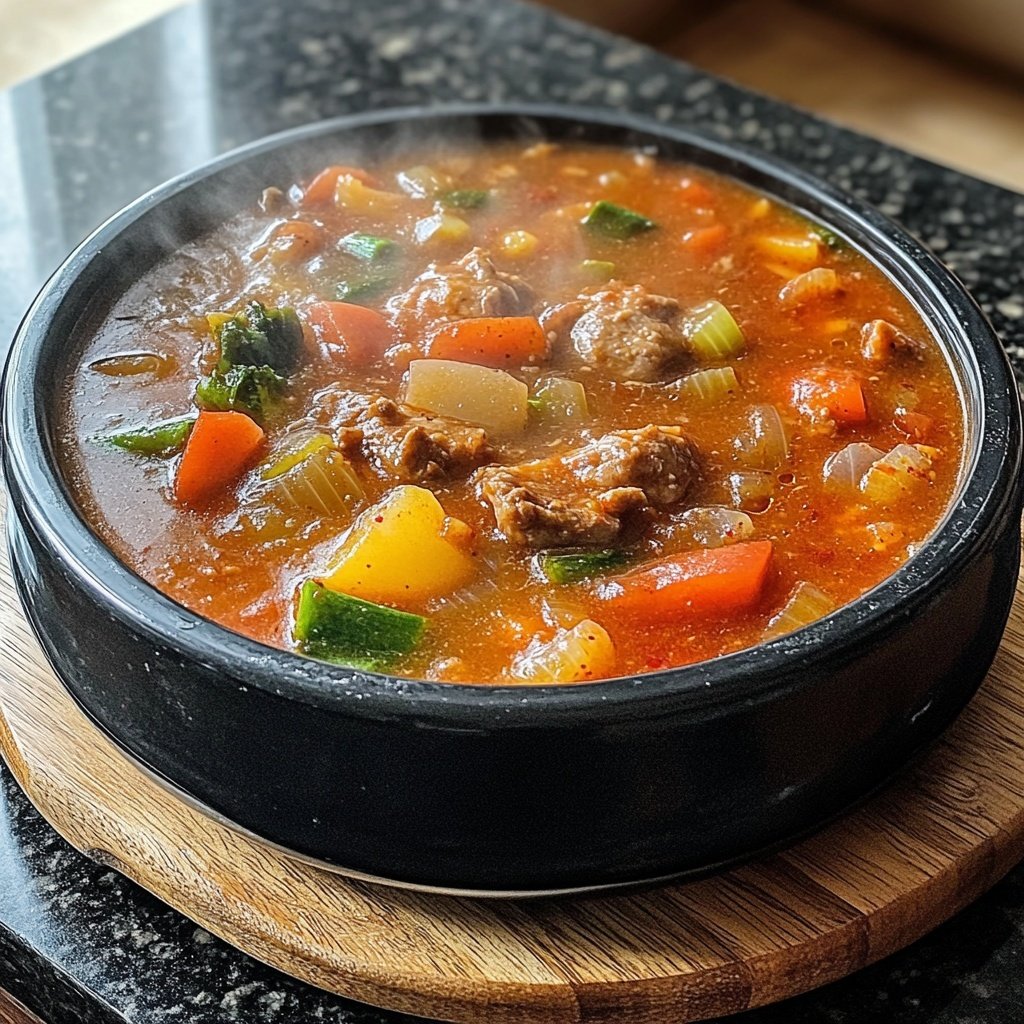
Korean soups and stews have a unique depth of flavor that is both comforting and invigorating. Perfect for sharing with family or friends, these dishes are a staple in Korean cuisine.
Why You'll Love This Recipe
- Hearty and satisfying, perfect for any meal
- Rich flavors from traditional Korean ingredients
- Customizable with your favorite proteins and vegetables
The Heart of Korean Cuisine
Korean cuisine is celebrated for its bold flavors and comforting dishes, and soups and stews are at the forefront of this culinary tradition. These meals are not just food; they are a reflection of Korean culture, often served during gatherings and special occasions. With their rich umami profiles and hearty textures, Korean soups and stews provide warmth and nourishment, making them ideal for any dining experience.
The foundation of these dishes lies in the use of fermented ingredients, aromatic spices, and fresh vegetables. Whether it's the heat from gochujang or the depth from soy sauce, each ingredient works in harmony to create a meal that is both satisfying and flavorful. This recipe captures the essence of Korean comfort food, allowing you to enjoy the heartiness of traditional recipes right in your own kitchen.
Customizing Your Soup or Stew
One of the most appealing aspects of Korean soups and stews is their versatility. You can easily customize the recipe to suit your personal tastes and dietary preferences. For example, if you prefer seafood, feel free to swap out the beef or chicken for shrimp or clams. Additionally, you can incorporate a variety of vegetables like spinach, zucchini, or carrots, expanding the nutritional value of your meal.
Another way to make this dish your own is by adjusting the spice level. If you enjoy a milder flavor, reduce the amount of gochujang or replace it with a less spicy chili paste. Conversely, for those who crave a fiery kick, consider adding extra chili flakes or even a splash of chili oil. This adaptability allows you to create your perfect bowl of comfort.
Serving Suggestions
Korean soups and stews are best enjoyed hot, and they pair wonderfully with a side of steamed rice or noodles. The rice absorbs the rich broth, balancing the intense flavors of the stew. For a complete meal, consider serving kimchi or pickled vegetables alongside your dish. These accompaniments not only enhance the meal but also introduce additional textures and flavors that complement the soup.
Don't forget about garnishes! Fresh green onions, sesame seeds, or a drizzle of sesame oil can elevate your dish even further. These small additions bring brightness and a touch of sophistication to the presentation, making your meal visually appealing as well as delicious.
Ingredients
Main Ingredients
- 2 cups of water
- 1 cup of beef or chicken, diced
- 1 cup of tofu, cubed
- 1 cup of mushrooms, sliced
- 1 onion, chopped
- 2 cloves of garlic, minced
- 2 tablespoons of soy sauce
- 1 tablespoon of gochujang (Korean chili paste)
- 1 teaspoon of sesame oil
- 2 green onions, chopped
Feel free to add your choice of vegetables or spices for a personal touch.
Instructions
Prepare the Base
In a pot, combine water, soy sauce, gochujang, and sesame oil. Bring to a boil.
Add Proteins and Vegetables
Add the diced beef or chicken, tofu, mushrooms, onion, and garlic to the pot. Reduce heat and let simmer for 30 minutes.
Finish and Serve
Stir in the chopped green onions before serving. Enjoy hot with rice or noodles.
This dish is perfect for a cozy dinner or special occasion.
Pro Tips
- For extra flavor, let the soup simmer longer and adjust the seasoning to taste.
Nutritional Benefits
Korean soups and stews are not only delicious but also packed with nutrients. The combination of proteins, vegetables, and flavorful broth provides a balanced meal that supports overall health. Ingredients like tofu are excellent sources of plant-based protein, while the variety of vegetables contributes essential vitamins and minerals. This makes the dish a great choice for those looking to incorporate more wholesome foods into their diet.
Moreover, many traditional Korean ingredients, such as garlic and green onions, are known for their health benefits. Garlic has natural antibacterial properties, while green onions are rich in antioxidants. Enjoying a bowl of Korean soup can be a delightful way to boost your immune system and promote good health while savoring every bite.
Storage and Reheating Tips
If you find yourself with leftovers, you're in luck! Korean soups and stews tend to taste even better the next day as the flavors continue to meld. To store, let the soup cool to room temperature before transferring it to an airtight container. It can be kept in the refrigerator for up to three days or frozen for longer storage.
When reheating, add a splash of water to restore the broth's consistency, as it may thicken over time. Gently warm the soup on the stovetop or in the microwave until heated through. This way, you can enjoy the comforting flavors of your homemade Korean dish again, making it a perfect meal prep option for busy days.
Questions About Recipes
→ Can I make this soup vegetarian?
Yes! Substitute the meat with more vegetables and vegetable broth.
→ How can I make this spicier?
Add more gochujang or some sliced fresh chili peppers.
→ What can I serve with Korean soups and stews?
They pair well with rice, Korean pancakes, or pickled vegetables.
→ Can I freeze leftovers?
Yes, the soup can be frozen for up to 3 months. Reheat thoroughly before serving.
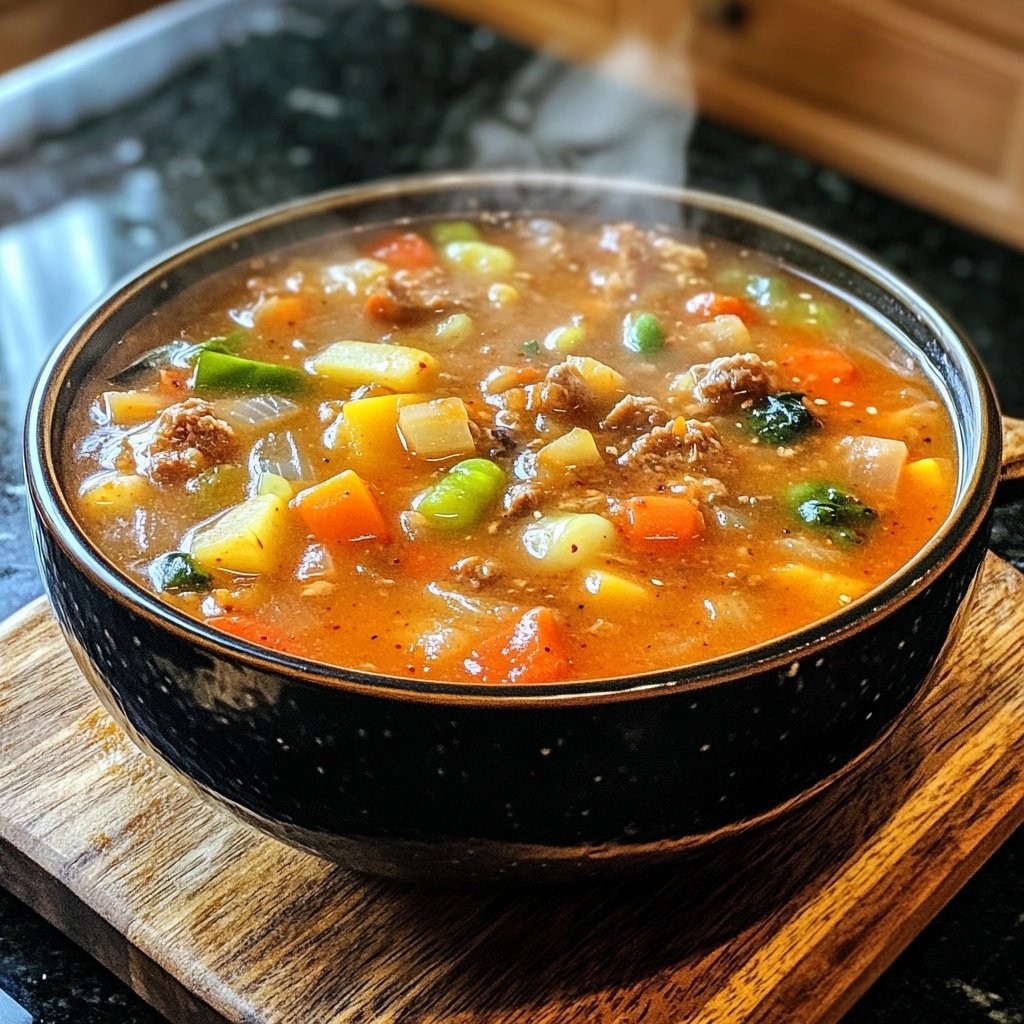
Korean Soups and Stews
Created by: Amber Walsh
Recipe Type: Cuisines Without Borders
Skill Level: Intermediate
Final Quantity: 4 servings
What You'll Need
Main Ingredients
- 2 cups of water
- 1 cup of beef or chicken, diced
- 1 cup of tofu, cubed
- 1 cup of mushrooms, sliced
- 1 onion, chopped
- 2 cloves of garlic, minced
- 2 tablespoons of soy sauce
- 1 tablespoon of gochujang (Korean chili paste)
- 1 teaspoon of sesame oil
- 2 green onions, chopped
How-To Steps
In a pot, combine water, soy sauce, gochujang, and sesame oil. Bring to a boil.
Add the diced beef or chicken, tofu, mushrooms, onion, and garlic to the pot. Reduce heat and let simmer for 30 minutes.
Stir in the chopped green onions before serving. Enjoy hot with rice or noodles.
Extra Tips
- For extra flavor, let the soup simmer longer and adjust the seasoning to taste.
Nutritional Breakdown (Per Serving)
- Calories: 450 kcal
- Total Fat: 20g
- Saturated Fat: 4g
- Cholesterol: 60mg
- Sodium: 800mg
- Total Carbohydrates: 40g
- Dietary Fiber: 5g
- Sugars: 5g
- Protein: 30g