Korean Soups and Stews
Highlighted under: Cuisines Without Borders
Discover the rich flavors and comforting warmth of Korean soups and stews, perfect for any occasion.
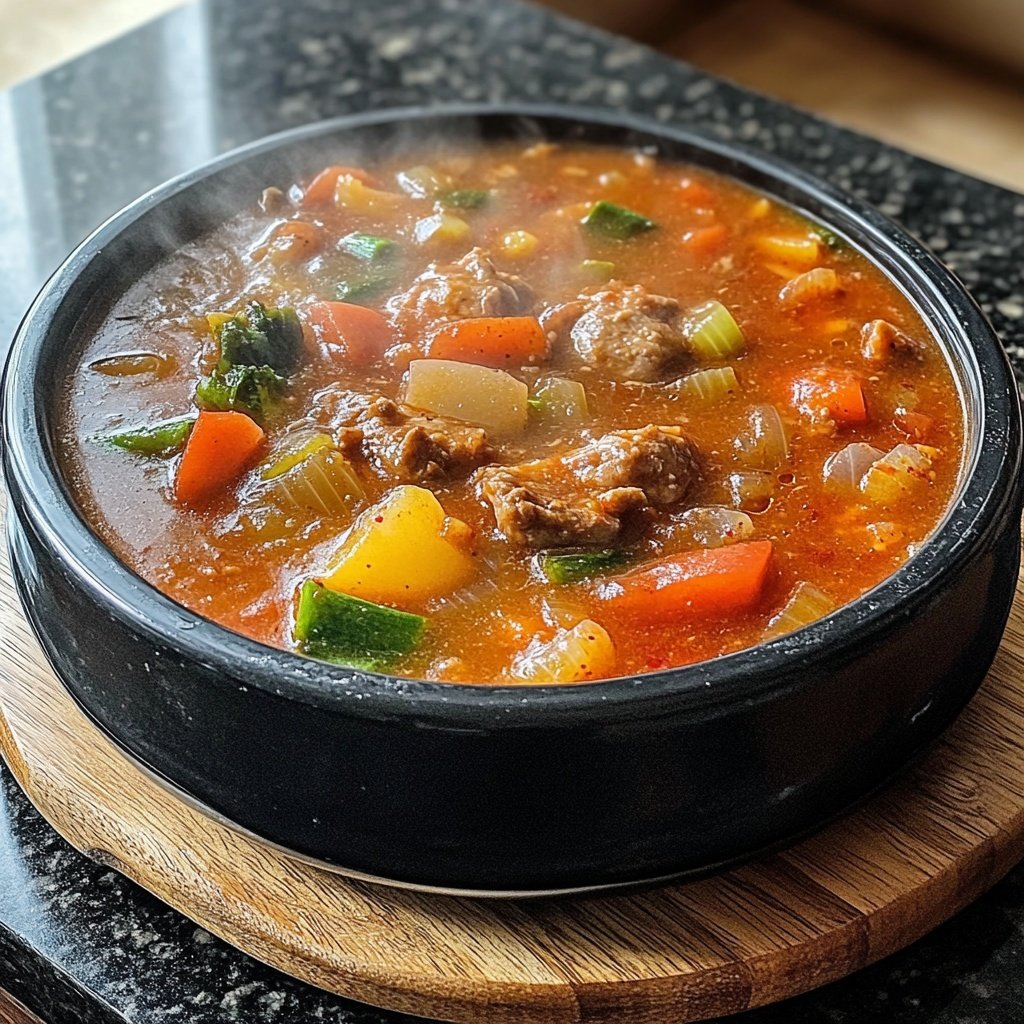
Korean soups and stews are an integral part of Korean cuisine, often enjoyed during family gatherings and special occasions. These hearty dishes are not only delicious but also offer a variety of health benefits, thanks to their fresh ingredients.
Why You'll Love This Recipe
- Hearty and comforting flavors to warm your soul
- Rich in nutrients from fresh vegetables and proteins
- Perfect for sharing with family and friends on a chilly day
The Essence of Korean Cuisine
Korean cuisine is renowned for its bold flavors and diverse ingredients that come together to create hearty dishes. At the heart of this culinary tradition are soups and stews, which not only offer a comforting meal but also reflect the rich cultural heritage of Korea. These dishes often combine fresh vegetables, savory meats, and a variety of spices, making them both delicious and nutritious.
In Korean culture, food is more than just sustenance; it is a way to bring people together. Soups and stews are commonly shared among family and friends, especially during colder months. They symbolize warmth, hospitality, and the joy of communal dining, making them an essential part of many gatherings and celebrations.
Health Benefits of Korean Soups and Stews
One of the standout features of Korean soups and stews is their incredible nutritional value. Packed with fresh vegetables, lean proteins, and wholesome broths, these dishes provide essential vitamins and minerals that support overall health. Ingredients like garlic and ginger not only enhance flavor but also offer anti-inflammatory and immune-boosting properties.
Moreover, the use of gochujang, a staple in Korean cooking, adds a unique flavor profile while also contributing health benefits. This fermented chili paste is rich in antioxidants and can aid digestion. By incorporating a variety of fresh ingredients, Korean soups and stews are a delicious way to nourish your body while satisfying your taste buds.
Versatility in Every Bowl
One of the best aspects of Korean soups and stews is their versatility. Whether you're a meat-lover or a vegetarian, there’s a recipe that can cater to your dietary preferences. The base recipe can easily be adapted with different proteins like chicken, seafood, or plant-based alternatives such as tofu, ensuring that everyone at the table can enjoy a hearty meal.
Additionally, the variety of vegetables can be customized based on seasonal availability or personal taste. This flexibility makes Korean soups and stews not only a go-to comfort food but also an ideal choice for meal prep. You can make a big batch, store it in the fridge or freezer, and have a delicious, nourishing meal ready at a moment's notice.
Ingredients
Main Ingredients
- 500g beef or tofu, cubed
- 1 medium onion, chopped
- 2 medium carrots, sliced
- 1 zucchini, sliced
- 200g mushrooms, sliced
- 3 green onions, chopped
- 1 tablespoon garlic, minced
- 1 tablespoon ginger, minced
- 4 cups beef or vegetable broth
- 2 tablespoons soy sauce
- 1 tablespoon gochujang (Korean chili paste)
- Salt and pepper to taste
Adjust the ingredients according to your taste preferences and enjoy!
Instructions
Prepare the Ingredients
In a large pot, heat a bit of oil over medium heat. Add the minced garlic and ginger, sautéing until fragrant.
Cook the Meat or Tofu
Add the beef or tofu to the pot, browning it on all sides.
Add Vegetables and Broth
Stir in the onions, carrots, zucchini, and mushrooms. Pour in the broth and bring to a boil.
Season the Soup
Add the soy sauce, gochujang, salt, and pepper. Reduce heat and let it simmer for about 30 minutes.
Finish and Serve
Stir in the chopped green onions before serving. Enjoy your delicious Korean soup or stew!
Serve hot and garnish with additional green onions if desired.
Pro Tips
- Feel free to customize your soup with other vegetables or proteins of your choice.
Tips for Perfecting Your Korean Soup or Stew
To achieve the best flavor in your Korean soup or stew, it's important to use high-quality broth. Whether you opt for beef or vegetable broth, a homemade version will enhance the taste significantly. If you're short on time, store-bought options can work as well, but try to select low-sodium varieties to control the saltiness of the dish.
Don’t forget to taste and adjust the seasoning as you go! Every ingredient contributes to the overall flavor, so feel free to tweak the amount of soy sauce or gochujang based on your spice tolerance and preference. A little experimentation can lead to your perfect bowl.
Serving Suggestions
Korean soups and stews are best served hot and can be accompanied by a variety of side dishes known as banchan. These can include pickled vegetables, rice, or even kimchi, which adds an extra layer of flavor and texture to your meal. The balance of hot soup with cool, tangy banchan creates a delightful dining experience.
For a complete meal, consider serving your soup or stew with a side of steamed rice. This not only helps soak up the flavors but also makes the dish more filling. Garnishing with additional chopped green onions or a sprinkle of sesame seeds can elevate the presentation and add a touch of freshness.
Storage and Reheating Tips
If you find yourself with leftovers, Korean soups and stews store wonderfully in the refrigerator for up to three days. To maintain the best flavor and texture, store the soup and any solid ingredients in separate containers. This prevents the vegetables from becoming mushy and keeps the broth flavorful.
When reheating, do so gently on the stove over low heat to preserve the integrity of the ingredients. If the soup thickens too much, simply add a little water or broth to reach your desired consistency before serving. Enjoy the convenience of a delicious meal that's just as good the next day!
Questions About Recipes
→ Can I make this recipe vegetarian?
Yes! Simply replace the beef with tofu and use vegetable broth.
→ How can I adjust the spiciness?
You can reduce the amount of gochujang or omit it entirely for a milder flavor.
→ Can I make this in a slow cooker?
Absolutely! Just add all the ingredients and cook on low for 6-8 hours.
→ What can I serve with Korean soups and stews?
They pair wonderfully with steamed rice, kimchi, or pickled vegetables.
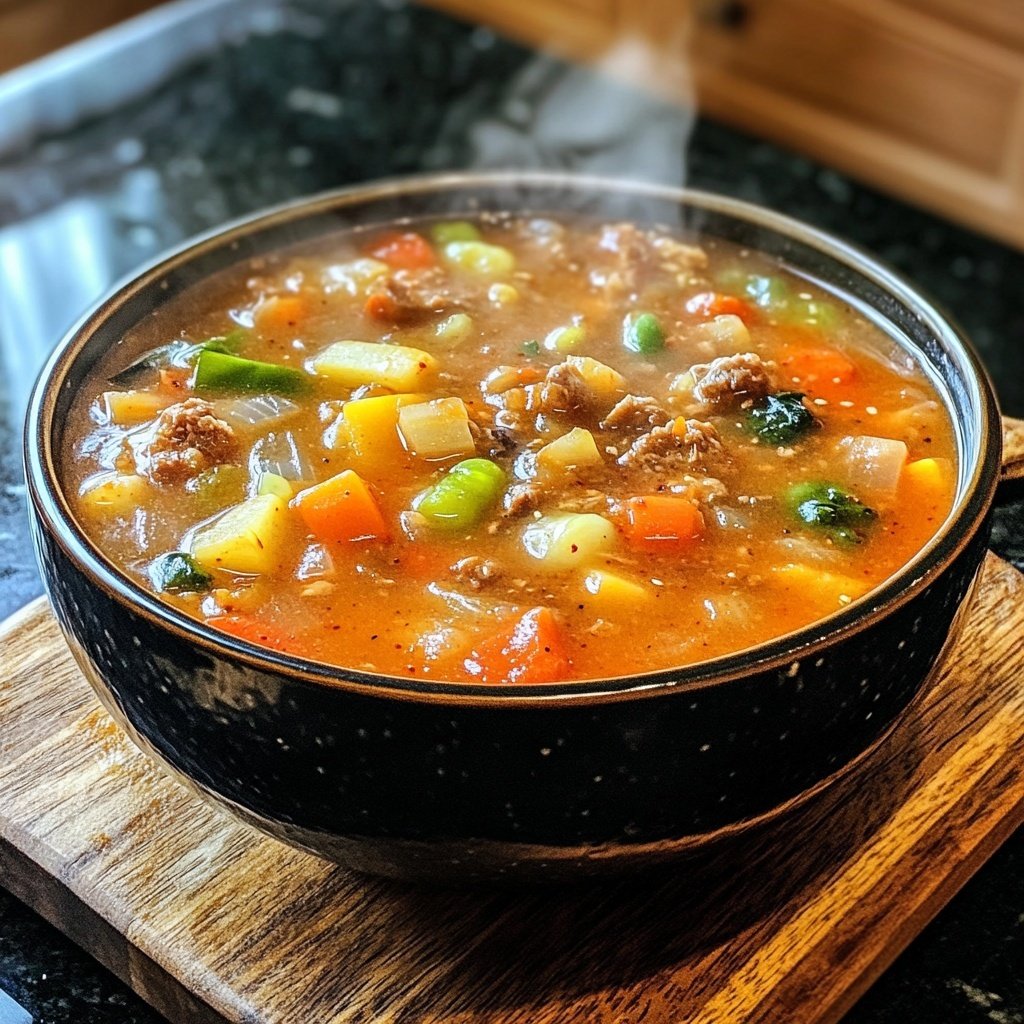
Korean Soups and Stews
Created by: Amber Walsh
Recipe Type: Cuisines Without Borders
Skill Level: Beginner
Final Quantity: 4 servings
What You'll Need
Main Ingredients
- 500g beef or tofu, cubed
- 1 medium onion, chopped
- 2 medium carrots, sliced
- 1 zucchini, sliced
- 200g mushrooms, sliced
- 3 green onions, chopped
- 1 tablespoon garlic, minced
- 1 tablespoon ginger, minced
- 4 cups beef or vegetable broth
- 2 tablespoons soy sauce
- 1 tablespoon gochujang (Korean chili paste)
- Salt and pepper to taste
How-To Steps
In a large pot, heat a bit of oil over medium heat. Add the minced garlic and ginger, sautéing until fragrant.
Add the beef or tofu to the pot, browning it on all sides.
Stir in the onions, carrots, zucchini, and mushrooms. Pour in the broth and bring to a boil.
Add the soy sauce, gochujang, salt, and pepper. Reduce heat and let it simmer for about 30 minutes.
Stir in the chopped green onions before serving. Enjoy your delicious Korean soup or stew!
Extra Tips
- Feel free to customize your soup with other vegetables or proteins of your choice.
Nutritional Breakdown (Per Serving)
- Calories: 380 kcal
- Total Fat: 26g
- Saturated Fat: 15g
- Cholesterol: 195mg
- Sodium: 85mg
- Total Carbohydrates: 32g
- Dietary Fiber: 3g
- Sugars: 24g
- Protein: 6g