Small Backyard Chicken Run
Highlighted under: Cuisines Without Borders
I always dreamed of having my own chickens, and building a small backyard chicken run was the first step. With a bit of planning, I created a cozy space that not only keeps my feathered friends safe but also adds charm to my garden. This project was both exciting and rewarding, allowing my kids to learn about animal care while enjoying fresh eggs. If you're considering a chicken run, I'll share my tips and insights about the process and the joy of having happy chickens in your backyard!

When I began building my chicken run, I researched various designs and best practices. I ultimately decided on a simple but effective structure that would be spacious for my four hens. Proper ventilation, a solid foundation, and predator protection were vital aspects I wanted to include. By following these considerations, I knew I could create a safe haven for my chickens that would thrive throughout the seasons.
One of the most valuable lessons I learned was the importance of including a dust bathing area for my chickens; it keeps them clean and happy. I also found that using recycled materials like pallets not only saved money but gave my run a unique rustic charm. I think it’s crucial to enjoy the process and watch your garden come to life with joyful clucks!
Why You'll Love This Chicken Run
- Creates a charming addition to your garden landscape
- Provides a safe and happy environment for your chickens
- Offers fresh eggs right from your backyard
Choosing the Right Location
Selecting the best spot for your chicken run is essential to ensure your chickens thrive. Look for a location that provides natural shade during the hottest parts of the day and has good drainage to prevent water accumulation. A sunny area encourages egg production, but without adequate shade, your chickens might become stressed during warmer months.
Consider proximity to your house for convenience, as chicken maintenance involves frequent visits for feeding and egg collection. Placing the run near a water source can also be advantageous, reducing the time and effort needed to keep your birds hydrated.
Material Selection and Durability
When gathering materials for the chicken run, prioritize durability. Using pressure-treated lumber helps resist rot and extends the life of the framework. If you're working on a budget, reclaimed wood or pallets can be a cost-effective choice, though they might require some extra maintenance, such as sealing to prevent insect infestations.
For fencing and wire mesh, opt for a sturdy gauge to protect against predators. A minimum of 1-inch wire mesh will deter smaller animals, while chicken wire can keep the chickens in but might not withstand larger threats. Reinforcing the bottom edges of the enclosures with hardware cloth adds an extra layer of security.
Instructions
Plan Your Chicken Run
Decide on the size and location of your chicken run, ensuring it provides adequate space for the number of chickens you plan to keep, while also considering factors like sunlight and shade.
Gather Materials
Collect necessary materials such as wood, fencing, and wire mesh. You may also consider recycled materials for a budget-friendly approach.
Build the Frame
Construct the frame for your run with sturdy wood, making sure it’s tall enough for you to enter if needed. Secure it well to prevent any predators from breaking in.
Add the Roof and Walls
Cover the top with wire mesh and create solid walls on the sides to ensure maximum security, while allowing sunlight to filter through.
Include Essential Features
Don’t forget to add a dust bath area, perch for the chickens, and nesting boxes. These features ensure your chickens will be comfortable and happy.
Final Touches
Inspect the run for any potential escape routes or weaknesses. Add a water source and feeder to complete the setup.
Pro Tips
- Consider using non-toxic materials for construction and ensure the run is well-drained to prevent muddy conditions. Regularly clean the run to keep it hygienic for the chickens.
Maximizing Comfort for Your Chickens
Creating a comfortable environment for your chickens is crucial for their well-being. Adding a dust bath area filled with fine sand or poultry dust not only provides entertainment but also helps chickens maintain their feathers. A good dust bath should be at least 2 feet by 2 feet, allowing multiple chickens to use it simultaneously.
Perches are also essential for chickens since they enjoy roosting off the ground. Make sure the perches are positioned at least 2 feet high, using rounded or smooth surfaces to avoid foot injuries. Nesting boxes should be easily accessible but not too spacious; a box size of about 12x12 inches fits most breeds.
Handling Maintenance and Upkeep
Regular cleaning of the chicken run ensures a healthy living environment. Aim to clean the run every week by removing droppings and replacing bedding in nesting boxes. A deep clean using a non-toxic disinfectant monthly can help prevent the buildup of harmful bacteria and pests.
Monitoring the run for damage is important—check for holes or wear in the fencing and repair them promptly to avoid escape or predator entry. Regularly inspect the water source and feeder; clean them every few days to prevent algae growth and ensure your chickens have constant access to fresh water and food.
Questions About Recipes
→ How big should my chicken run be?
A general rule of thumb is to allow at least 10 square feet per chicken in the run.
→ What can I use for bedding in the chicken run?
Straw, hay, or wood shavings make excellent bedding choices, absorbing moisture and providing comfort.
→ How can I keep my chickens safe from predators?
Use strong fencing, cover the top of the run, and check for any weak spots regularly to secure the area.
→ Can I let my chickens roam free?
Yes, but make sure your yard is secure and safe from potential predators when allowing your chickens to free-range.
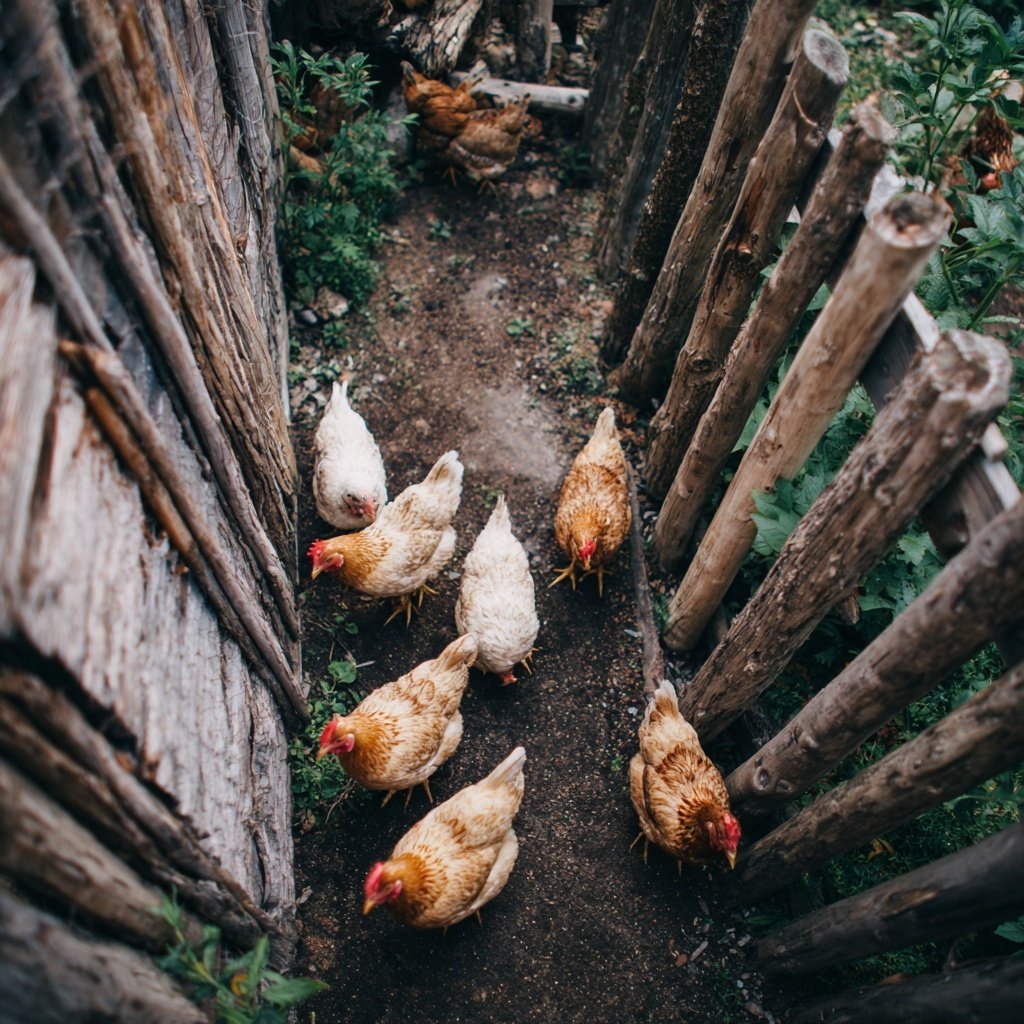
Small Backyard Chicken Run
Created by: Amber Walsh
Recipe Type: Cuisines Without Borders
Skill Level: Beginner
Final Quantity: 1 chicken run
How-To Steps
Decide on the size and location of your chicken run, ensuring it provides adequate space for the number of chickens you plan to keep, while also considering factors like sunlight and shade.
Collect necessary materials such as wood, fencing, and wire mesh. You may also consider recycled materials for a budget-friendly approach.
Construct the frame for your run with sturdy wood, making sure it’s tall enough for you to enter if needed. Secure it well to prevent any predators from breaking in.
Cover the top with wire mesh and create solid walls on the sides to ensure maximum security, while allowing sunlight to filter through.
Don’t forget to add a dust bath area, perch for the chickens, and nesting boxes. These features ensure your chickens will be comfortable and happy.
Inspect the run for any potential escape routes or weaknesses. Add a water source and feeder to complete the setup.
Extra Tips
- Consider using non-toxic materials for construction and ensure the run is well-drained to prevent muddy conditions. Regularly clean the run to keep it hygienic for the chickens.
Nutritional Breakdown (Per Serving)
- Calories: 0 kcal