Baking & Desserts Classic Vanilla Butter Cake
Highlighted under: From the Oven
I love whipping up a classic vanilla butter cake whenever I want something comforting and indulgent. There’s something so nostalgic about the buttery sweetness that brings back fond memories of family gatherings and celebrations. The aroma that fills my kitchen as it bakes is irresistible, drawing everyone in for a slice. This cake is incredibly versatile, perfect on its own or as a base for delicious frosting and toppings. I can't wait to share this recipe with you, so you can create your own delightful moments around the dining table.
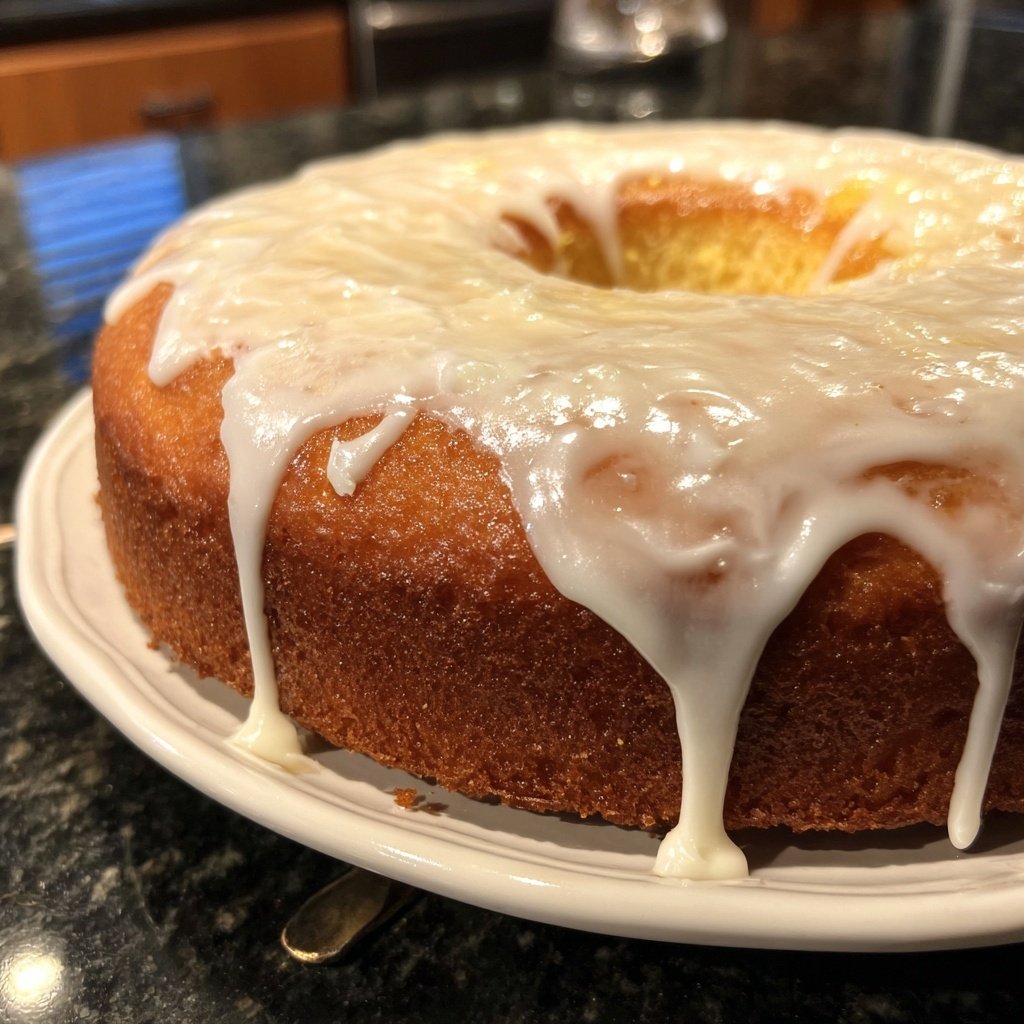
When I decided to bake a vanilla butter cake, I was struck by how simple yet satisfying this recipe is. The method relies on basic ingredients, but the key is in the creaming of the butter and sugar, which creates a light and airy texture. This is achieved by beating them together until light and fluffy, which traps air and leads to that perfect rise in the oven.
As I experimented with this cake, I learned the importance of not overmixing once the dry ingredients are added. This keeps the cake tender and moist. I always use high-quality vanilla extract for a more robust flavor and recommend testing with a toothpick to ensure the cake is perfectly baked inside before removing it from the oven.
Why You Will Love This Recipe
- Rich, buttery flavor that melts in your mouth
- Perfectly fluffy texture that is hard to resist
- Versatile for celebrations or casual gatherings
The Importance of Temperature
Using room temperature ingredients is crucial for achieving the perfect texture in your vanilla butter cake. Ensure that your butter and eggs are at room temperature before starting. This allows for better aeration when creaming the butter and sugar, resulting in a fluffy cake. If you're short on time, you can place cold eggs in a bowl of warm water for about 10 minutes to bring them up to temperature quickly.
Additionally, preheating your oven to the correct temperature is vital for even baking. An oven thermometer can help ensure your oven's actual temperature matches the setting. Baking at a consistent temperature and avoiding opening the oven door too frequently during baking will help your cake rise beautifully without collapsing.
The Role of Ingredients
Each ingredient in this vanilla butter cake plays a specific role that contributes to its overall success. The butter not only provides richness but also helps in achieving a fine crumb texture when creamed properly with sugar. Always use unsalted butter for control over the salt level in the cake; this allows you to adjust the salt to your preference without unexpected flavors from salted butter.
Granulated sugar not only sweetens the cake but also aids in the creaming process, incorporating air for leavening. This is why it's essential to cream it fully with the butter until light and fluffy. If you’d like a less sweet cake, consider reducing the sugar by about 1/4 cup, but keep in mind that it may alter the texture slightly.
Frosting and Serving Suggestions
This vanilla butter cake serves as a versatile base for various frostings and toppings. For a classic touch, consider a cream cheese frosting that complements the richness of the cake. Alternatively, a simple dusting of powdered sugar or a glaze made from milk and powdered sugar adds a delightful finish that maintains the cake's vanilla flavor.
If you want to elevate the cake further, consider adding fresh fruits or preserves between the layers or on top. Berries, peaches, or a tangy lemon curd can cut the richness and add brightness. This cake also freezes well, so if you have leftovers, wrap them tightly in plastic wrap and aluminum foil before placing them in the freezer for up to three months. Thaw at room temperature before serving for the best texture.
Ingredients
Classic Vanilla Butter Cake Ingredients
- 1 cup unsalted butter, softened
- 1 1/2 cups granulated sugar
- 3 large eggs
- 2 1/2 cups all-purpose flour
- 1 cup milk
- 2 1/2 tsp baking powder
- 1 tsp vanilla extract
- 1/2 tsp salt
Make sure all ingredients are at room temperature for the best results.
Instructions
Prepare the Oven and Pans
Preheat your oven to 350°F (175°C). Grease and flour two 9-inch round cake pans.
Cream Butter and Sugar
In a large mixing bowl, cream together the softened butter and granulated sugar until light and fluffy.
Add Eggs and Vanilla
Beat in the eggs one at a time, then mix in the vanilla extract, ensuring everything is well combined.
Mix Dry Ingredients
In a separate bowl, whisk together the flour, baking powder, and salt.
Combine Wet and Dry Ingredients
Gradually add the dry ingredients to the butter mixture, alternating with the milk. Start and end with the flour mixture, mixing until just combined.
Bake the Cake
Pour the batter evenly into the prepared pans, smoothing the tops. Bake for 30 minutes or until a toothpick inserted in the center comes out clean.
Cool and Serve
Allow the cakes to cool in the pans for 10 minutes, then turn them out onto wire racks to cool completely before frosting.
Enjoy your delicious vanilla butter cake plain or with your favorite frosting!
Pro Tips
- Try adding lemon zest for an extra burst of flavor or layer with fresh fruits for a beautiful presentation.
Common Mistakes and How to Fix Them
One common issue with baking this cake can be underbaking, which leads to a dense and gummy center. Always check for doneness using a toothpick inserted in the center; it should come out clean or with a few moist crumbs. If the cake is browning too quickly on the edges while the center remains raw, consider covering the top loosely with aluminum foil halfway through baking to prevent over-browning.
Another mistake is overmixing the batter after adding the flour, leading to a tough cake. Mix until the dry ingredients are just incorporated; small lumps are okay. If you find the batter too thick, add an additional tablespoon of milk, which helps retain moisture while ensuring a tender crumb.
Customizing Your Cake
If you want to experiment with flavors, consider adding almond extract or citrus zest alongside the vanilla for a unique twist. A teaspoon of lemon or orange zest can brighten the flavor without overpowering it, making it a refreshing take on the classic.
For a chocolate version, substitute 1/2 cup of the flour with cocoa powder. This changes the flavor profile while retaining the cake's moist texture. Just be careful not to overload on cocoa, as it can affect the cake's structure and rise.
Storage and Make-Ahead Tips
To make ahead, you can prepare the cake layers in advance. Once baked and cooled, wrap each layer in plastic wrap and freeze for up to three months. When ready to serve, allow the layers to thaw completely at room temperature before frosting. This can also improve the flavor, as chilling allows the tastes to meld.
Store any frosted cake in an airtight container at room temperature for up to three days or refrigerate it for up to a week. If you're handling leftovers, slice them before refrigerating for easier access and to prevent the cake from drying out.
Questions About Recipes
→ Can I use margarine instead of butter?
While you can use margarine, it may change the flavor and texture slightly. Butter is recommended for the best results.
→ How can I store leftover cake?
Store leftover cake in an airtight container at room temperature for 2-3 days, or in the fridge for up to a week.
→ Can I freeze this cake?
Yes, this cake freezes well. Wrap it tightly in plastic wrap and aluminum foil, and it can be frozen for up to three months.
→ What frosting pairs well with this cake?
A simple buttercream or cream cheese frosting pairs beautifully with the vanilla flavor of this cake.
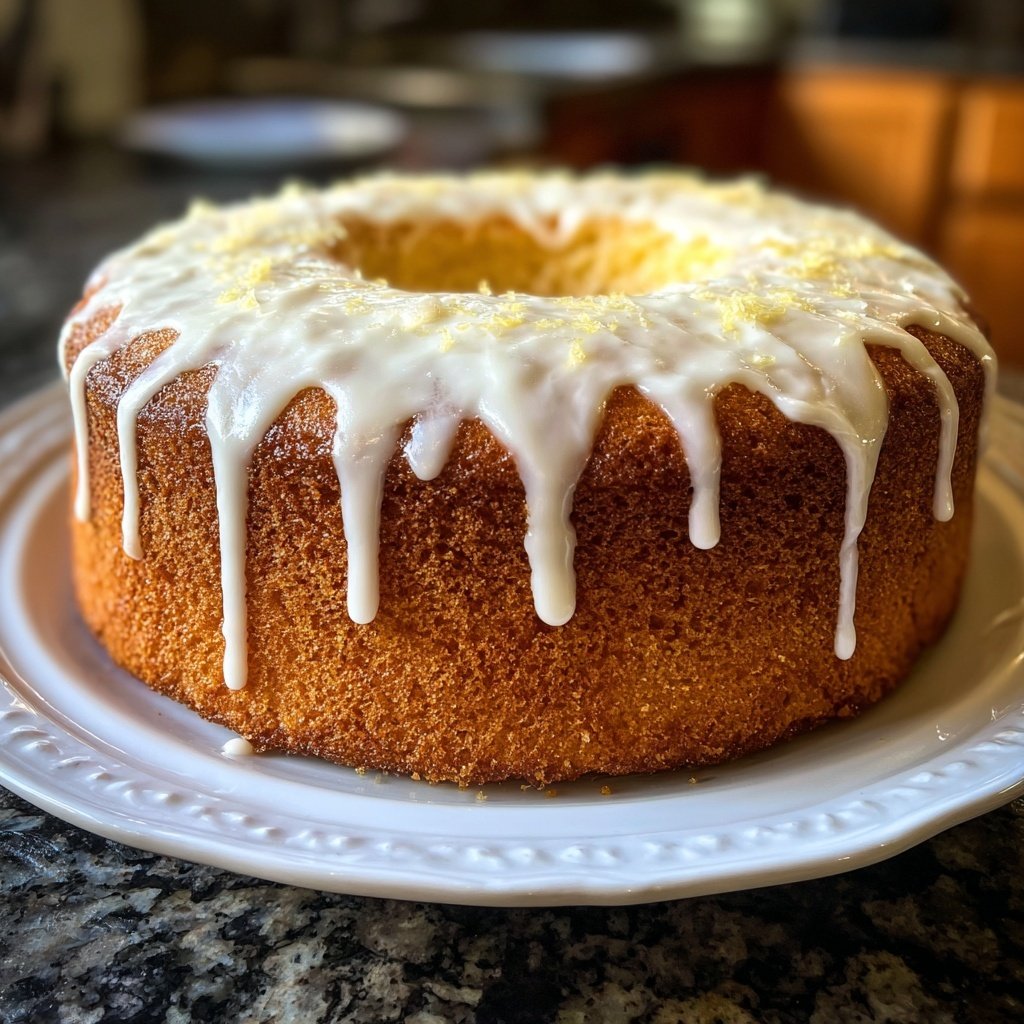
Baking & Desserts Classic Vanilla Butter Cake
Created by: Amber Walsh
Recipe Type: From the Oven
Skill Level: Beginner
Final Quantity: 12 servings
What You'll Need
Classic Vanilla Butter Cake Ingredients
- 1 cup unsalted butter, softened
- 1 1/2 cups granulated sugar
- 3 large eggs
- 2 1/2 cups all-purpose flour
- 1 cup milk
- 2 1/2 tsp baking powder
- 1 tsp vanilla extract
- 1/2 tsp salt
How-To Steps
Preheat your oven to 350°F (175°C). Grease and flour two 9-inch round cake pans.
In a large mixing bowl, cream together the softened butter and granulated sugar until light and fluffy.
Beat in the eggs one at a time, then mix in the vanilla extract, ensuring everything is well combined.
In a separate bowl, whisk together the flour, baking powder, and salt.
Gradually add the dry ingredients to the butter mixture, alternating with the milk. Start and end with the flour mixture, mixing until just combined.
Pour the batter evenly into the prepared pans, smoothing the tops. Bake for 30 minutes or until a toothpick inserted in the center comes out clean.
Allow the cakes to cool in the pans for 10 minutes, then turn them out onto wire racks to cool completely before frosting.
Extra Tips
- Try adding lemon zest for an extra burst of flavor or layer with fresh fruits for a beautiful presentation.
Nutritional Breakdown (Per Serving)
- Calories: 380 kcal
- Total Fat: 26g
- Saturated Fat: 15g
- Cholesterol: 195mg
- Sodium: 85mg
- Total Carbohydrates: 32g
- Dietary Fiber: 3g
- Sugars: 24g
- Protein: 6g